Smarter Borrowing Insights for Better Everyday Choices
Why borrowing deserves a plan
Borrowing can be useful when it helps pay for education, a reliable car, or a carefully planned home improvement. It becomes less helpful when quick approvals disguise expensive terms or encourage spending beyond reach. Understanding how interest, fees, repayment schedules, and personal habits interact turns borrowing from a gamble into a manageable financial tool.
Advertisement
Start with the real cost
Consumerlife Smart Borrowing Insights begins with one simple question: how much will this purchase actually cost by the time the balance reaches zero? The answer includes more than the advertised price. Interest, arrangement charges, annual fees, late-payment penalties, and optional extras can quietly enlarge the final bill. A loan with a lower monthly payment may still cost more overall if its term is longer. Comparing the total repayment amount, not merely the monthly figure, provides a clearer view of affordability and prevents small print from becoming an expensive surprise.
Advertisement
Match credit to the purpose
Consumerlife Smart Borrowing Insights also emphasizes matching the type of credit to the reason for borrowing. A short-term purchase may suit a credit card only when the balance can be cleared promptly and the terms are favorable. A fixed personal loan can offer predictable payments for a defined project, while a revolving facility may provide flexibility at a higher long-term cost. The right option depends on the purchase, the expected repayment period, and the borrower’s income stability. Credit should serve a specific purpose rather than become a general-purpose extension of every payday.
Advertisement
Check affordability honestly
Before applying, Consumerlife Smart Borrowing Insights recommends reviewing a realistic household budget. Begin with dependable income, then subtract housing, utilities, food, transport, insurance, existing debts, and ordinary personal spending. Leave room for irregular costs such as repairs, school expenses, or annual bills. A payment that fits only during an unusually comfortable month is not genuinely affordable. Testing the budget against a modest rise in expenses or a temporary fall in income can reveal whether the proposed commitment has breathing space. Financial resilience is not pessimism; it is planning with the lights switched on.
Advertisement
Understand interest and timing
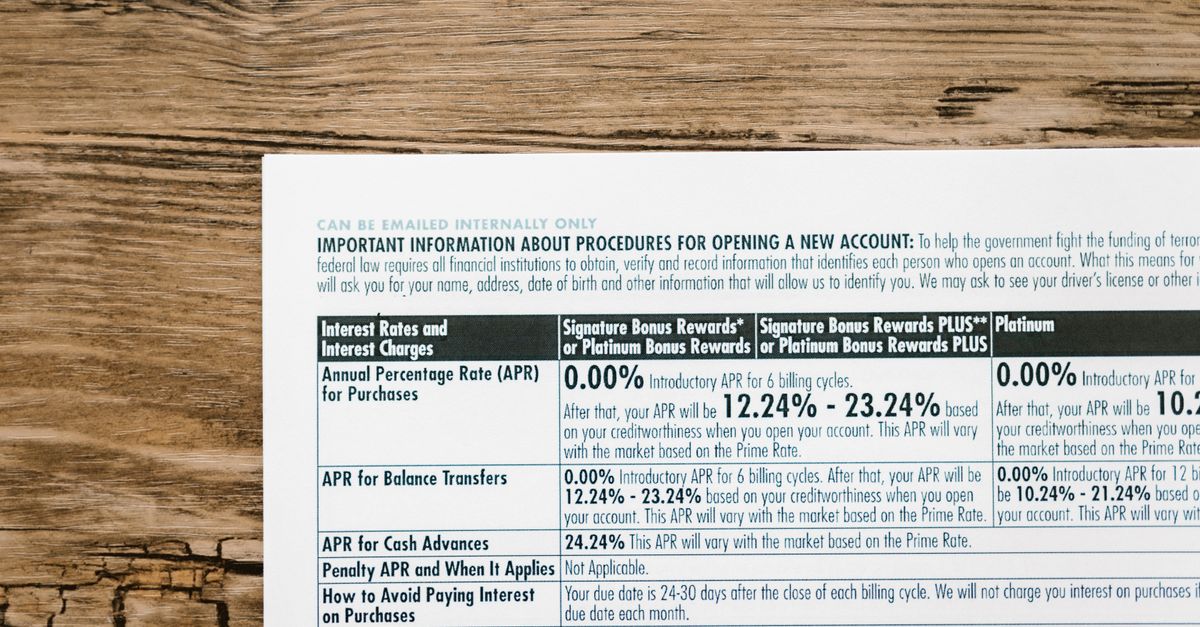
Interest is the price paid for using someone else’s money, and timing determines how heavily it weighs. With simple fixed payments, each instalment generally covers both interest and principal, though the balance changes over time. Variable rates can rise or fall, making future payments less predictable. Compounding can also increase costs when unpaid interest is added to the balance. Consumerlife Smart Borrowing Insights encourages borrowers to identify the annual percentage rate, whether it can change, and how frequently interest is calculated. These details matter far more than a cheerful promotional banner.
Advertisement
Compare offers on equal terms
Consumerlife Smart Borrowing Insights is most useful when comparisons are made consistently. Gather the amount borrowed, interest rate, term, total repayment, fees, early-settlement conditions, and consequences of missed payments for each option. A compact comparison table can expose differences that are easy to miss when offers use different terminology. Promotional rates deserve special attention: an attractive introductory period may expire before the balance is cleared. Reading the agreement before accepting it also helps clarify whether insurance, membership, or other services have been added automatically.
Advertisement
Protect your repayment record
Consumerlife Smart Borrowing Insights treats repayment history as a valuable financial asset. Paying on time can help maintain access to future credit, while repeated missed payments may trigger fees, collection activity, and a less favorable lending profile. Setting reminders or arranging automatic payments can reduce avoidable mistakes, provided the account holds enough money. It is wise to monitor statements regularly and challenge unfamiliar charges promptly. If a payment problem appears likely, contacting the lender early may reveal practical options, whereas silence usually gives a small issue more room to grow.
Advertisement
Borrow less when possible
Consumerlife Smart Borrowing Insights does not assume that every approved application deserves a yes. A lender’s maximum offer reflects its assessment of risk, not a personal recommendation for spending. Reducing the amount borrowed lowers interest and can shorten the repayment period. Saving a deposit, buying a less expensive version, delaying a nonessential purchase, or comparing second-hand alternatives may achieve the same goal with less pressure. Even a small reduction in principal can make a noticeable difference when interest accumulates over several years.
Advertisement
Avoid the convenience trap
Convenient credit can blur the difference between affordability and accessibility. One-click applications, instant decisions, and split-payment options make borrowing feel almost weightless, but the obligation remains real after the excitement fades. Using several facilities at once can also make the total monthly commitment difficult to see. Keep a central record of balances, due dates, rates, and limits. The goal is not to avoid all convenience; it is to ensure that convenience does not quietly become a permanent budget category with a surprisingly large appetite.
Advertisement
Build better habits over time
Good borrowing decisions are supported by routine rather than occasional bursts of enthusiasm. Review balances monthly, keep important agreements accessible, and update the household budget when income or expenses change. When a debt is cleared, consider directing the former payment toward savings instead of immediately replacing it with another commitment. Consumerlife Smart Borrowing Insights ultimately points toward a broader habit: make financial choices using evidence, allow for uncertainty, and treat borrowing as a tool that requires maintenance, much like a car or a mildly temperamental houseplant.
Advertisement
The practical takeaway
Consumerlife Smart Borrowing Insights shows that responsible borrowing depends on understanding total costs, checking affordability, comparing equivalent offers, and protecting repayment habits. Borrowing can support useful goals when the amount, product, and schedule fit the wider budget. Careful decisions today reduce financial pressure tomorrow and leave more room for savings, surprises, and ordinary life.
Advertisement