Smarter Borrowing Through Consumer Lending Insights
Introduction
Borrowing can be useful for a planned purchase, but it becomes expensive when decisions rest on guesswork. Consumer Lending Insights For Smarter Financial Decisions bring together the practical questions behind a loan: what it costs, how risk is shared, and whether repayment fits real life.
Advertisement
Start With the Full Cost
Consumer Lending Insights For Smarter Financial Decisions begin with a simple principle: the advertised interest rate is only part of the price. Borrowers should examine the annual percentage rate, arrangement fees, service charges, late-payment costs, and any penalties for changing or settling the loan early. A low headline rate can look attractive while additional charges quietly inflate the final bill. The most useful comparison is the total amount repayable, shown in pounds or dollars rather than buried in a percentage. This turns a vague promise of affordability into a figure that can be tested against an actual household budget.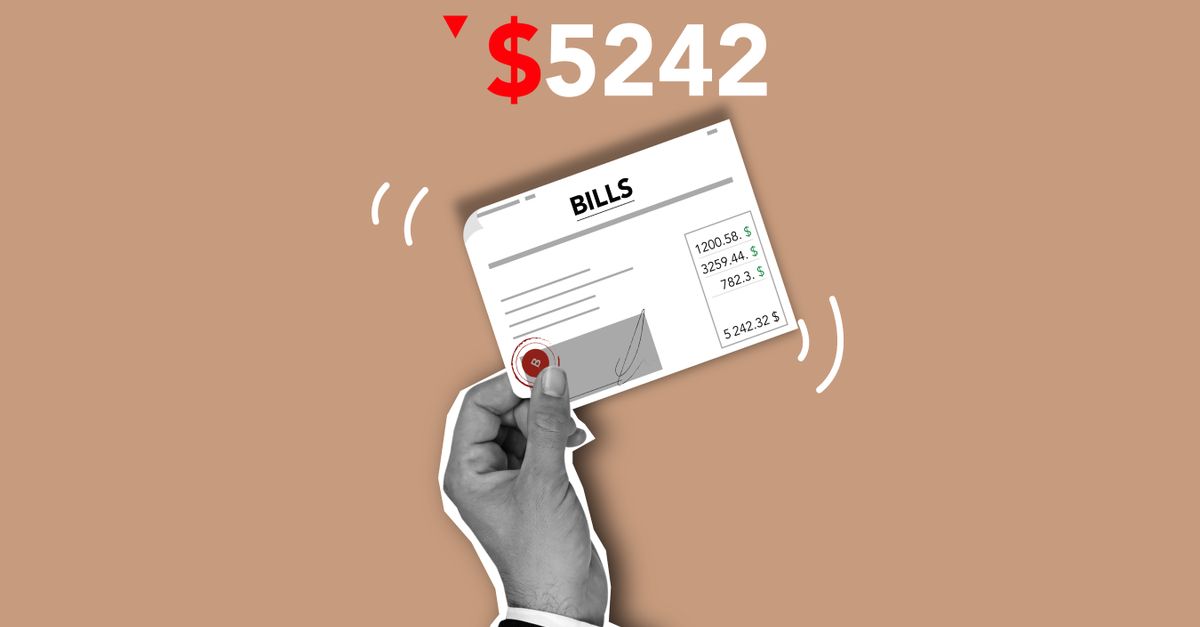
Advertisement
Compare Loans on Equal Terms
Consumer Lending Insights For Smarter Financial Decisions also make comparisons fairer. A five-year loan with a lower monthly payment may cost more overall than a three-year loan with higher instalments. Comparing products requires matching the loan amount, repayment period, rate type, and fee structure. Fixed-rate borrowing offers predictable payments for an agreed period, while variable-rate borrowing may rise or fall as market conditions change. Neither option is automatically better; the sensible choice depends on how much payment uncertainty a borrower can comfortably absorb. A spreadsheet can help reveal the difference between convenience today and cost over time.
Advertisement
Test Affordability Before Applying
Consumer Lending Insights For Smarter Financial Decisions place affordability before approval. A lender may decide that an applicant qualifies, but approval does not prove that the loan is comfortable for the borrower. A realistic budget should include housing, utilities, food, transport, insurance, subscriptions, existing debts, and irregular expenses such as repairs or school costs. It should also allow room for savings and unexpected events. Testing the budget against a higher interest rate or a temporary fall in income can expose weak points before they become missed payments. Borrowing should fit the budget, not require the budget to perform acrobatics.
Advertisement
Understand Credit Scores and Reports
Consumer Lending Insights For Smarter Financial Decisions include understanding how credit information affects borrowing. Credit reports commonly record payment history, current balances, applications, account age, and other details used by lenders to estimate risk. Checking a report for errors is worthwhile, because incorrect information can affect both approval and pricing. Making payments on time, keeping balances manageable, and avoiding a rush of applications may support a healthier credit profile over time. However, a credit score is not a complete portrait of financial character. Lenders use different models, and a strong score cannot compensate for a loan that is unaffordable.
Advertisement
Recognize the Lender’s Incentives
Consumer Lending Insights For Smarter Financial Decisions require a clear view of the lender’s business model. Lenders earn money from interest and fees, and some products may include optional add-ons, payment protection features, or bundled services. These extras may be useful in particular circumstances, but they should not be accepted simply because they appear during an application. Borrowers should ask whether each feature is required, what it costs, and how it changes the total repayment. It is also important to distinguish between a lender’s risk assessment and a sales representative’s enthusiasm. Friendly language is pleasant; transparent pricing is essential.
Advertisement
Watch for Warning Signs
Consumer Lending Insights For Smarter Financial Decisions help identify warning signs before money changes hands. Pressure to apply immediately, unclear fees, incomplete documentation, promises of guaranteed approval, or requests for unusual upfront payments deserve caution. A responsible lender should explain the rate, repayment schedule, consequences of missed payments, and complaints process in plain language. Borrowers should be wary of loans that encourage repeated refinancing to cover earlier debts, since extending the term can increase the total cost and create a difficult cycle. Taking time to read the agreement is not needless fussiness; it is a low-cost form of financial self-defence.
Advertisement
Manage the Loan After Approval
Good borrowing decisions continue after the application is approved. Setting up reminders or automatic payments can reduce the chance of accidental lateness, while reviewing statements helps catch errors quickly. Extra repayments may reduce interest, but borrowers should first check whether the agreement permits them without a charge and whether an emergency fund is already in place. If a payment problem appears likely, contacting the lender early is generally more productive than ignoring messages. Options may include changing the payment date, restructuring the schedule, or receiving temporary support, although each option can affect the total cost and credit record.
Advertisement
Use Borrowing for a Clear Purpose
The strongest borrowing decisions usually have a defined purpose, a measured amount, and a realistic exit plan. Financing an asset that supports work or replaces an urgent, costly problem may be easier to justify than borrowing for routine spending that disappears quickly. That distinction is not a moral verdict; it is a way to consider whether the purchase will still feel worthwhile after the repayments begin. Consumers should also ask whether saving, delaying the purchase, buying second-hand, or negotiating the price could reduce the amount needed. Sometimes the smartest loan is the smaller loan, and occasionally it is no loan at all.
Advertisement
Conclusion
Consumer Lending Insights For Smarter Financial Decisions turn borrowing into a comparison of cost, risk, affordability, and purpose rather than a race to secure approval. Checking the total repayment, understanding credit information, questioning optional features, and planning for future payment changes can prevent expensive surprises. A loan is a financial tool, and its value depends on how carefully it is selected and managed.
Advertisement