A Practical Guide to Consumer Credit and Personal Loans
Introduction
Consumer Credit And Loans Guide helps readers understand borrowing without treating every offer like a bargain buffet. It explains how credit works, what loan costs can hide, and which habits support steadier finances. The goal is practical confidence, not financial perfection or jargon, at every step.
Advertisement
Understanding Borrowing Basics
At its core, Consumer Credit And Loans Guide is about exchanging money today for a promise to repay it later, usually with interest. Credit cards, personal loans, vehicle finance, mortgages, and overdrafts all work slightly differently, but they share the same basic ingredients: an amount borrowed, a repayment schedule, and a price for using someone else’s money. That price may be expressed as an interest rate, a fee, or both. Before signing anything, borrowers should identify the total amount repayable rather than focusing only on the monthly payment. A small monthly figure can look friendly while quietly stretching across several years. Money may have excellent manners, but it still keeps a diary.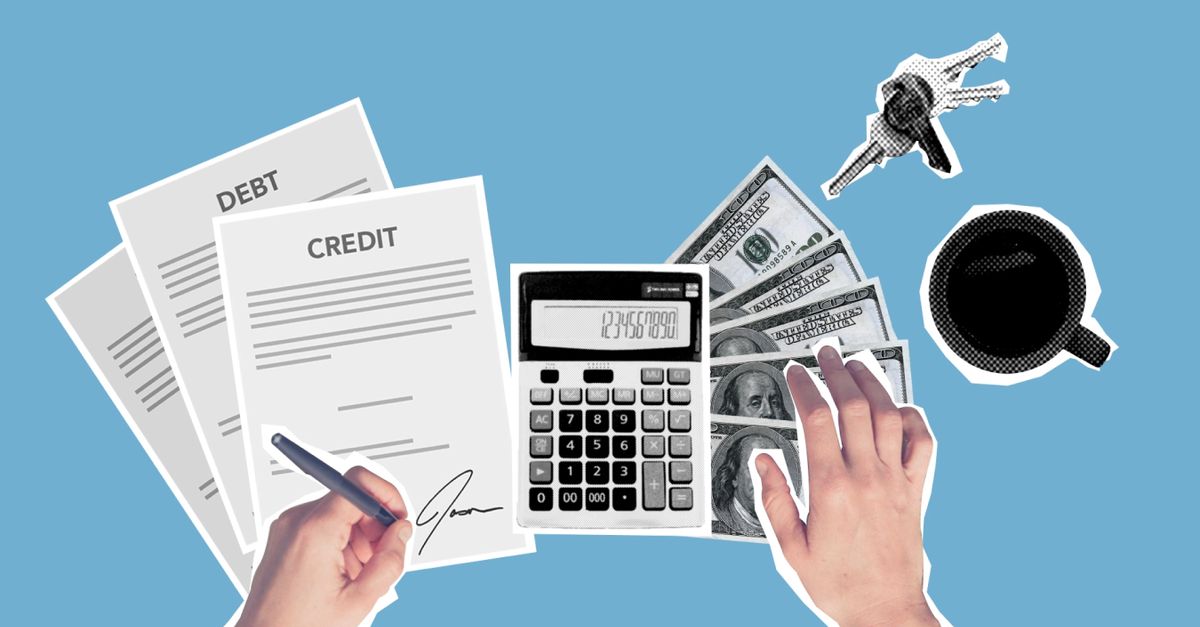
Advertisement
How Credit Scores Affect Options
A credit score is a numerical summary of information in a person’s credit report, such as borrowing history, missed payments, outstanding balances, and applications for new credit. Lenders use this information alongside income, existing commitments, and other details when assessing risk. A stronger record may improve the chance of approval or access to more competitive rates, although no score guarantees either result. Checking a credit report for errors is a sensible routine, particularly before applying for a major loan. Paying bills on time, keeping balances manageable, and avoiding a string of applications in a short period can support a healthier profile. Credit scores are useful signals, not crystal balls in spreadsheet form.
Advertisement
Comparing Interest and Total Costs
The Consumer Credit And Loans Guide approach to comparing products is simple: examine the full cost, not just the advertised rate. A fixed rate usually keeps the interest rate stable for an agreed period, making payments easier to predict. A variable rate can rise or fall, which means the payment or repayment period may change. The annual percentage rate, or APR, can help compare certain products because it may include interest and compulsory fees, but borrowers should still read the agreement carefully. Look for arrangement charges, late-payment fees, early-repayment costs, optional insurance, and fees for changing payment dates. A loan calculator can estimate repayments, but the lender’s formal terms are the final source of detail.
Advertisement
Choosing the Right Loan Type
Different borrowing products suit different purposes, and choosing one requires matching the product to the need. A personal loan may provide a fixed amount with regular instalments, while a credit card offers a reusable limit and may charge interest if the balance is not cleared within the applicable period. Secured borrowing is linked to an asset, which can affect the consequences of missed payments. Unsecured borrowing does not use an asset as collateral, but it still creates a binding financial obligation. Short-term products may appear convenient but can become expensive when fees and repeated renewals accumulate. The best option is not automatically the one with the quickest application; it is the one whose cost, duration, and repayment demands fit the borrower’s circumstances.
Advertisement
Preparing Before an Application
A practical Consumer Credit And Loans Guide checklist begins with the household budget. List reliable income, essential bills, existing debts, savings contributions, and irregular expenses such as annual insurance or seasonal travel. Then test whether the proposed repayment would remain affordable if groceries, utilities, or other everyday costs increased. Borrowers should gather accurate information about income and commitments rather than estimating optimistically. Comparing offers through reputable lenders or regulated comparison services can reveal meaningful differences, but multiple formal applications may leave footprints on a credit report. Some providers use eligibility checks that do not create a full application record, although the exact process varies. Preparation turns borrowing from an impulse into a considered decision.
Advertisement
Managing Repayments Responsibly
Once borrowing begins, repayment management matters as much as the original choice. Setting up a payment reminder or automatic payment can reduce the risk of accidentally missing a due date, provided enough money remains in the account. Borrowers should review statements for unexpected charges and keep contact details current so important notices are not missed. If money becomes tight, contacting the lender early is generally more constructive than ignoring messages. The lender may explain available options, though any change could affect the total cost or repayment period. Extra payments can sometimes reduce interest, but agreements may impose early-repayment charges or restrictions. Every repayment is a small vote for future financial breathing room.
Advertisement
Recognising Warning Signs
The Consumer Credit And Loans Guide perspective also includes knowing when to pause. Warning signs include pressure to decide immediately, unclear fees, promises of guaranteed approval, requests for unusual upfront payments, or a lender that avoids providing written terms. Borrowers should be cautious about using one new loan to repeatedly cover another, as this can create a cycle in which balances grow faster than income. Consolidation can simplify several payments in some circumstances, but a lower monthly payment may result from a longer term and a higher total cost. If debt feels unmanageable, a free, reputable debt-advice organisation may help someone understand available options without judgment. Asking for information is not a financial failure; it is due diligence wearing sensible shoes.
Advertisement
Building Healthier Credit Habits
Good credit habits are usually less dramatic than financial makeover stories suggest. Borrow only what can reasonably be repaid, keep records of due dates, and review account statements regularly. Maintaining an emergency fund, even a modest one, may reduce the temptation to rely on expensive credit when an appliance breaks or income changes. It is also wise to separate essential borrowing from discretionary spending and to reconsider purchases that depend entirely on future income. Closing an unused account may affect a credit profile differently from leaving it open, so decisions should be based on fees, security, and personal circumstances rather than myths. Patience is an underrated financial tool; unlike a loan, it charges no interest.
Advertisement
Conclusion
Consumer Credit And Loans Guide comes down to understanding cost, risk, and repayment before accepting an offer. Comparing total expenses, checking terms, protecting payment history, and budgeting honestly can make borrowing more manageable. When circumstances change, early communication and impartial support are often better than avoidance. Responsible credit is not about never borrowing; it is about ensuring borrowed money serves a realistic plan rather than quietly taking control of it.
Advertisement