Borrowing Basics: Making Smarter Financial Decisions
A Clear Starting Point
Borrowing money can solve a short-term problem, fund a major purchase, or quietly reshape a household budget for years. The important skill is not simply finding approval; it is understanding cost, risk, timing, and personal capacity. With a clear framework, borrowers can compare offers calmly and make decisions that remain comfortable after payday.
Advertisement
What Borrowing Really Means
Consumer Credit And Loans refers to financial products that allow individuals to access money now and repay it later, usually with interest and fees. Credit cards, personal loans, auto finance, overdrafts, and retail payment plans all fit within this broad category. Although the products look different, they share a basic bargain: immediate spending power in exchange for future income.
Advertisement
The Price Beyond the Sticker
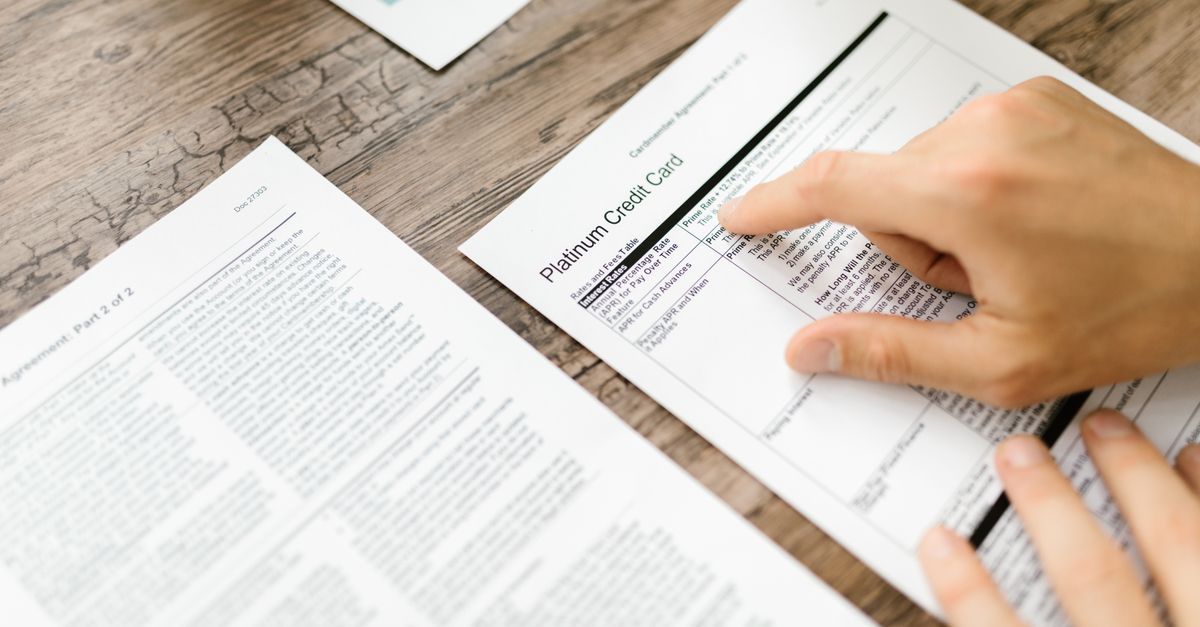
The amount borrowed is only the beginning of the calculation. Consumer Credit And Loans may include an annual percentage rate, arrangement charges, late-payment fees, insurance costs, and penalties for certain changes or early repayment. A lower monthly payment can therefore be misleading if it stretches repayment over many years. The total amount repaid is often the clearest measure of affordability.
Advertisement
Comparing Offers Properly
When comparing Consumer Credit And Loans, examine the same details for every provider. Check the interest rate, whether it is fixed or variable, the repayment period, the total cost, and the consequences of missed payments. A simple comparison table can expose differences that glossy advertisements hide. The best offer is not automatically the one with the smallest advertised rate; it is the one whose full terms suit the borrower.
Advertisement
Credit Scores and Applications
Lenders use credit histories to estimate how reliably an applicant has managed previous borrowing. Consumer Credit And Loans can affect that record in both helpful and harmful ways. Consistent payments may strengthen a profile, while missed payments, high balances, or numerous applications in a short period can raise concerns. Checking a credit report for errors before applying is a sensible housekeeping task, much like checking the smoke alarm before lighting the birthday candles.
Advertisement
Choosing the Right Product
Different needs call for different forms of Consumer Credit And Loans. A credit card may offer flexibility for everyday purchases, but revolving balances can become expensive when only minimum payments are made. A personal loan may provide predictable instalments for a defined expense. Secured borrowing can offer lower rates because an asset backs the agreement, but it also creates a serious risk if repayments fail.
Advertisement
Making Repayments Manageable
Before accepting Consumer Credit And Loans, calculate the proposed payment alongside rent or mortgage costs, utilities, food, transport, insurance, and existing commitments. Leave room for irregular expenses and an emergency buffer. A budget that works only in a perfect month is not a robust budget. Borrowers should also consider whether income could fall or costs could rise during the repayment period.
Advertisement
Warning Signs to Notice
Responsible use of Consumer Credit And Loans depends on understanding the warning signs. Be cautious about pressure to decide immediately, unclear fees, promises of guaranteed approval, or requests for unusual upfront payments. Read the agreement rather than relying on a salesperson’s summary. If the mathematics seem confusing, that is a reason to pause and seek independent information, not a reason to sign faster.
Advertisement
When Refinancing Helps
Refinancing or consolidating debts can simplify several payments into one, and it may reduce costs when a genuinely better rate is available. However, Consumer Credit And Loans should not be combined automatically. A lower monthly payment might result from a much longer term, increasing the total interest. New fees, secured guarantees, and the temptation to borrow again can also undermine the apparent benefit.
Advertisement
Building Healthier Habits
Good borrowing habits are mostly unglamorous, which is excellent news for anyone allergic to financial drama. Pay on time, keep records, review statements, and avoid using one account to cover another without a clear plan. Paying more than the minimum, when affordable and permitted, can reduce interest. Keeping old accounts open or closing them should be considered carefully because the effect depends on the wider credit profile.
Advertisement
A Practical Decision Checklist
Before agreeing to any borrowing arrangement, ask five straightforward questions: What is the total repayment? Can the payment fit comfortably into the budget? What happens after a missed payment? Is the rate fixed or capable of changing? Are there cheaper ways to meet the same need? Written answers create a useful pause between wanting something and committing future income to it.
Advertisement
Conclusion
Borrowing can be useful when its cost, purpose, and repayment schedule are understood in advance. Comparing total costs, protecting cash flow, and reading terms carefully are more valuable than chasing the most attractive advertisement. A measured approach helps households use credit as a tool rather than allowing it to become a permanent source of pressure.
Advertisement